

Understanding the Components of an Automotive Center Stack
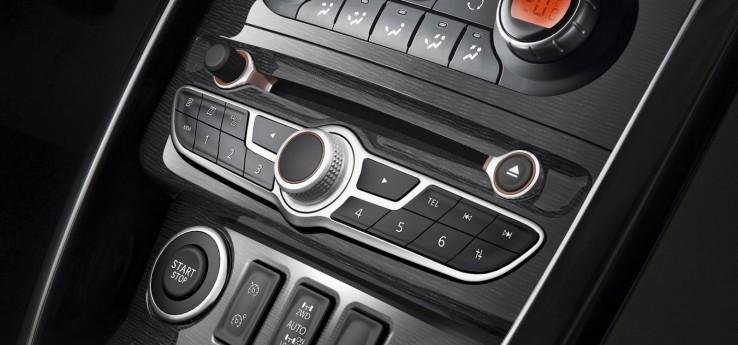
The command center of the modern automobile is undergoing a radical transformation, evolving far beyond its humble origins of knobs and dials for radio and climate control. The contemporary Automotive Center Stack is now a sophisticated digital hub, representing the primary point of interaction between the driver, passengers, and the vehicle's vast array of functions. Integrating infotainment, navigation, connectivity, and core vehicle settings into a single, cohesive interface, this system has become a central focus for automotive design and engineering. Driven by consumer expectations for a smartphone-like experience, automakers are replacing physical buttons with large, high-resolution touchscreens. This shift redefines the car's interior aesthetic and fundamentally changes how users engage with their vehicles, turning a simple control panel into the digital heart of the cockpit experience.
This evolution is powered by a complex fusion of advanced hardware and software components. At the forefront is the display technology itself, with LCDs giving way to vibrant, high-contrast OLED screens, some even featuring curved or freeform shapes to blend seamlessly with the dashboard's design. Behind the screen, powerful multi-core Systems-on-Chip (SoCs), akin to those found in high-end tablets, provide the processing muscle needed for fluid graphics, instant responsiveness, and multitasking. This hardware is brought to life by sophisticated operating systems like Android Automotive, QNX, or proprietary Linux-based platforms. These systems manage everything from rendering 3D navigation maps to running third-party media apps, all while ensuring the reliability and security demanded by the automotive environment. The seamless integration of these elements is a monumental task, critical for delivering a safe and intuitive user experience.
The profound impact of this transformation is most evident in the vehicle's User Interface (UI) and User Experience (UX). Automakers now compete on the quality of their digital design, striving to create interfaces that are both feature-rich and easy to use while driving. This presents a significant challenge: balancing the desire for extensive functionality with the absolute necessity of minimizing driver distraction. To address this, designers are increasingly relying on alternative input methods. Advanced voice assistants allow drivers to control functions with natural language commands, while gesture controls enable simple actions like adjusting volume with a wave of the hand. Haptic feedback on touchscreens provides tactile confirmation of inputs, allowing users to keep their eyes on the road. The automotive center stack is no longer a collection of controls; it is a holistic, multi-modal interface shaping the future of in-vehicle interaction.
Kategorien
Mehr lesen
Любой хорошо осознает, как сложно осуществлять ремонт, при этом даже в малогабаритке. Имеется довольно много самых разных нюансов, которые знают лишь с опытом строители. При этом в том случае, если предлагает вам помощь специалист, что все умеет: малярку, электрику, плитку, утепление, сантехнику, отделку и так далее, то тогда получите в результате ужасный ремонт и в большинстве случаев, по...

This strategic Data Center Construction Market Overview portrays a specialized, high-stakes sector of the global construction industry responsible for building the most critical infrastructure of the 21st century. The market's fundamental purpose is to create highly resilient, secure, and efficient facilities to house the world's computing and data storage resources. It is a...

Corporate e-learning has become a cornerstone in modern workforce development, reshaping how organizations train and upskill their employees. Unlike traditional classroom-based training, corporate e-learning leverages digital platforms, enabling employees to access training modules anytime, anywhere. This flexibility not only enhances learning engagement but also allows companies to maintain...

The financial architecture of the video game industry is being fundamentally rewritten, with innovative models driving unprecedented Web3 Gaming revenue. Unlike the traditional model, which primarily relies on one-time game sales, subscriptions, or centralized in-app purchases, Web3 introduces a multi-faceted, decentralized approach to monetization. The primary revenue stream for...
Цифровизация образовательного процесса становится ключевым фактором конкурентоспособности современных учебных заведений. Интерактивная доска купить стало приоритетной задачей для директоров школ и детских садов.Дошкольное образование особенно выигрывает от использования интерактивных технологий. Малыши естественным образом тянутся к ярким, движущимся изображениям, что делает интерактивную...