
Exploring Catalysts: Key Relational Database Market Drivers
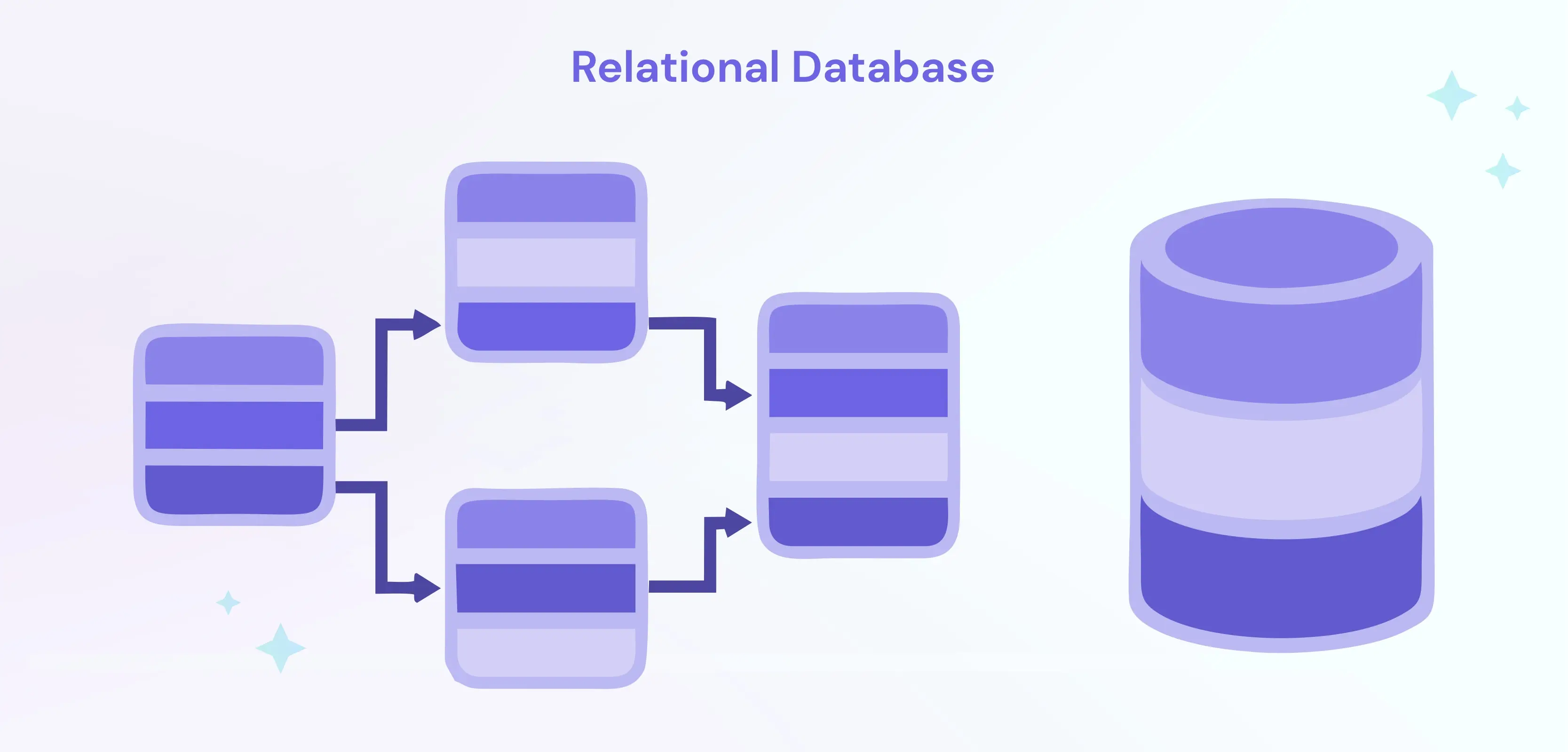
One of the most powerful and enduring of all Relational Database Market Drivers is the non-negotiable business requirement for data integrity and transactional consistency. For the vast majority of core business operations—such as processing a financial transaction, updating a customer's order, or managing inventory levels—there is zero tolerance for data errors, inconsistencies, or loss. The relational database, with its strict adherence to ACID (Atomicity, Consistency, Isolation, Durability) properties, is specifically designed to guarantee this level of reliability. This fundamental guarantee ensures that every transaction is processed completely or not at all, that the data always remains in a consistent state, and that concurrent operations do not interfere with each other. In a world of increasing digital commerce and complex, interconnected business processes, this proven, mathematical assurance of data integrity is the primary reason why enterprises continue to rely on and invest heavily in relational databases for their most critical, revenue-generating systems.
A second major driver is the explosion of structured data generated by enterprise applications and the need to analyze it effectively. Every organization runs on a foundation of structured data managed by systems like ERP, CRM, and SCM. The data from these systems—customer records, sales figures, product details, financial statements—is inherently relational and is the lifeblood of business operations and strategic decision-making. As businesses expand their digital footprint, the volume of this structured data grows exponentially. Relational databases are the de facto standard for managing this information, and they are also the foundation for the vast majority of business intelligence (BI) and data warehousing initiatives. The relentless drive to become more data-driven, to extract actionable insights from operational data, and to make more informed business decisions is a powerful and direct driver for the continued adoption and expansion of relational database systems.
The third critical driver is the profound economic and operational advantages offered by the shift to cloud-based Database as a Service (DBaaS). Traditionally, deploying and managing an enterprise-grade relational database on-premises was a complex and expensive undertaking, requiring significant upfront investment in hardware, software licenses, and the hiring of specialized database administrators (DBAs). Cloud-based DBaaS platforms have completely changed this paradigm. They offer a consumption-based, operational expenditure (OPEX) model that eliminates upfront costs. More importantly, they handle the vast majority of administrative tasks—such as provisioning, patching, backups, and scaling—automatically. This dramatic reduction in both cost and complexity has made powerful relational database technology accessible to a much broader market, including startups and SMEs, and has provided large enterprises with a more agile and efficient way to manage their data, acting as a massive catalyst for market growth.
Categorias
Leia Mais
Как купить интернет казино Онлайн-гемблинг продолжает увеличивать популярность и востребованность, ну а запуск своего интернет-казино становится вполне доступным фактически каждому предпринимателю. Наиболее удобный и простой способ, это естественно купить казино. Почему проще купить онлайн казино Разработка интернет казино потребует значительных денежных вложений. Возможно будет...

Optical Coherence Tomography Market Economic Outlook – Forecast and Analysis The Optical Coherence Tomography Market Economic Outlook reflects a positive growth trajectory due to increasing healthcare expenditure, rising prevalence of eye and cardiovascular disorders, and expansion of private and public healthcare facilities. Government initiatives encouraging early disease detection and...

Chronic Obstructive Pulmonary Disease Market Data Insights and Healthcare Strategies The Chronic Obstructive Pulmonary Disease Market Data highlights a clear upward trajectory in both prevalence and treatment demand. Data analysis reveals that COPD is increasingly recognized as a major global health challenge, with high hospitalization rates and substantial economic impact. Recent data trends...

Ayurveda Market Key Manufacturers and Competitive Landscape The Ayurveda Market Key Manufacturers are focusing on innovation, sustainability, and technological advancement to maintain competitiveness. Rising consumer awareness and global demand for herbal products have prompted manufacturers to expand production capabilities and enter new regional markets. Ayurveda Market trends reveal...

The most potent and fundamental of all Employee Experience Management Market Drivers is the intense and unrelenting global "war for talent." In today's knowledge-based economy, skilled and engaged employees are the primary source of competitive advantage for a vast majority of organizations. However, the supply of top talent is limited, and the competition to attract, motivate, and...