

Uncovering Key Drivers of the Employee Experience Management Market
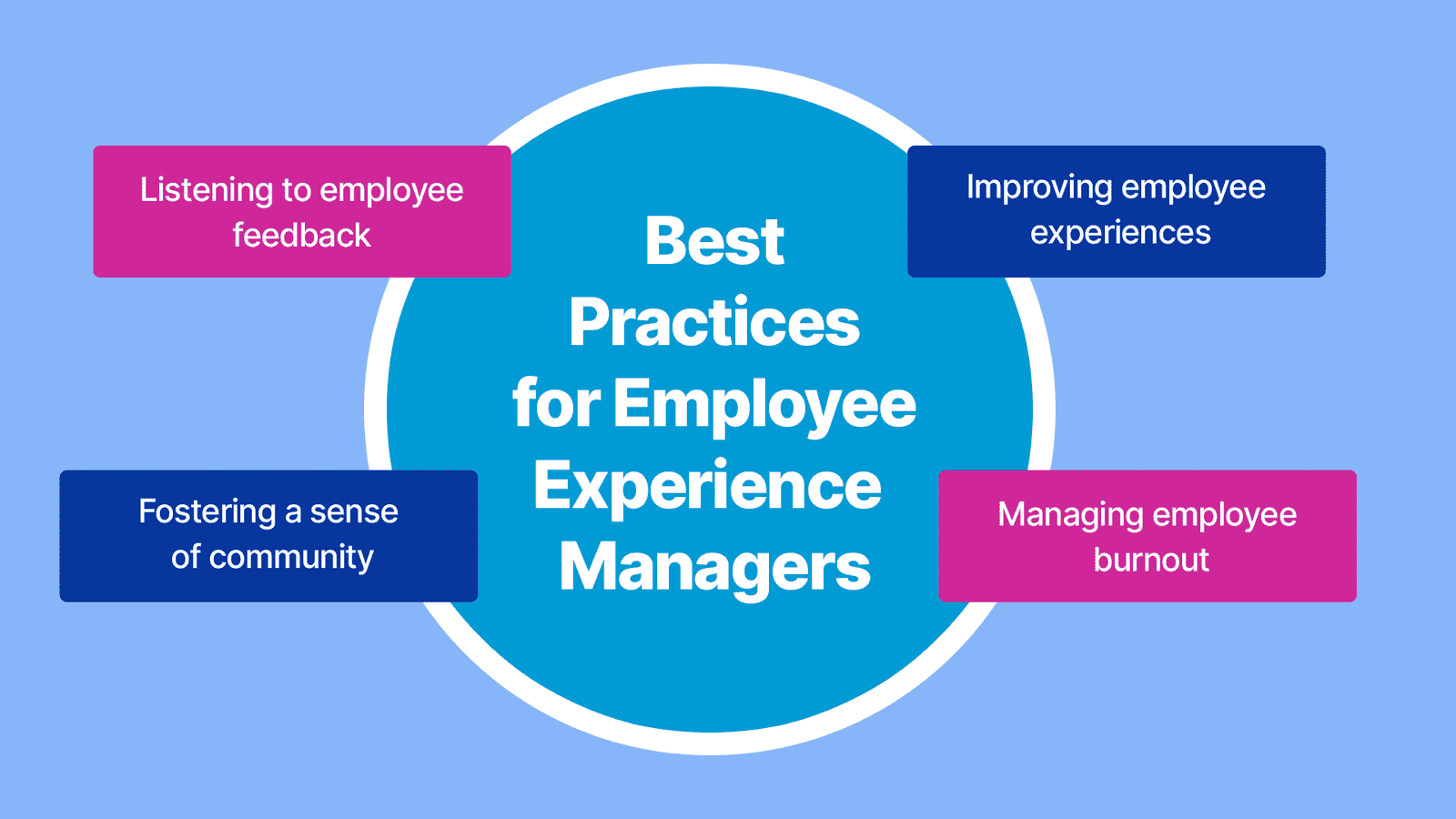
The most potent and fundamental of all Employee Experience Management Market Drivers is the intense and unrelenting global "war for talent." In today's knowledge-based economy, skilled and engaged employees are the primary source of competitive advantage for a vast majority of organizations. However, the supply of top talent is limited, and the competition to attract, motivate, and retain these individuals is fiercer than ever. The power dynamic has decisively shifted from the employer to the employee. Talented workers now have more choices than ever before and are increasingly making career decisions based not just on compensation and benefits, but on the overall quality of their experience at work. They are seeking out organizations that offer a positive culture, meaningful work, opportunities for growth, and a sense of belonging. This has transformed employee experience from a "nice-to-have" HR initiative into a business-critical strategy for talent acquisition and retention. The clear and direct link between a superior employee experience and a company's ability to win this war for talent is the primary engine compelling organizations to invest in dedicated EX management platforms.
A second critical driver is the profound and quantifiable impact that employee experience has on customer experience (CX) and overall business performance. A growing body of research and real-world evidence has established a clear and causal link: happy, engaged employees create happy, loyal customers. Employees who feel valued, supported, and empowered are far more likely to go the extra mile to provide excellent customer service. In contrast, disengaged, frustrated, or burnt-out employees are unlikely to deliver a positive customer experience. This "experience value chain" is a powerful driver for investment in EX management, particularly in service-oriented industries like retail, hospitality, and financial services. By using EX platforms to identify and address the friction points and frustrations in their employees' daily work lives, organizations can directly improve their ability to serve customers effectively. This transforms investment in employee experience into a direct investment in customer loyalty, revenue growth, and brand reputation, providing a compelling, bottom-line business case for the market.
The third major driver is the accelerating pace of digital transformation and the increasing complexity of the digital workplace. The modern employee interacts with a dizzying array of different systems, applications, and digital tools every day to do their job. All too often, this digital landscape is fragmented, confusing, and frustrating, with clunky legacy systems, a lack of integration, and inefficient digital workflows. This poor "digital employee experience" can be a major source of employee dissatisfaction and a significant drag on productivity. This has created a massive and growing demand for EX management solutions that can specifically measure and help to improve this digital experience. This includes gathering feedback on the usability of enterprise software, identifying technology-related roadblocks, and ensuring that employees have the digital tools and support they need to be effective, particularly in a remote or hybrid work context. The need to create a seamless, intuitive, and productive digital workplace is a powerful and enduring driver for the adoption of EX platforms.
Categorie
Leggi tutto
Strategic Developments in the Cataract Surgery Devices Market Segment The Cataract Surgery Devices Market Segment continues to evolve with significant technological and business developments. Segments such as intraocular lenses, lasers, and viscoelastic devices are witnessing rapid innovation to meet patient demands for precision and comfort. Product development, mergers, and partnerships...

Chronic Obstructive Pulmonary Disease Market Data Insights and Healthcare Strategies The Chronic Obstructive Pulmonary Disease Market Data highlights a clear upward trajectory in both prevalence and treatment demand. Data analysis reveals that COPD is increasingly recognized as a major global health challenge, with high hospitalization rates and substantial economic impact. Recent data trends...

The substantial Geospatial Market Value, which is measured in the hundreds of billions of dollars, is a direct reflection of the indispensable role that location intelligence plays in the modern world. This valuation is not merely based on the sale of maps or software licenses; it represents the entire value chain of spatial technology. This ecosystem includes the high capital investment...

The financial architecture of the video game industry is being fundamentally rewritten, with innovative models driving unprecedented Web3 Gaming revenue. Unlike the traditional model, which primarily relies on one-time game sales, subscriptions, or centralized in-app purchases, Web3 introduces a multi-faceted, decentralized approach to monetization. The primary revenue stream for...

Renal Dialysis Market Key Manufacturers: Driving Innovation in Kidney Care The Renal Dialysis Market Key Manufacturers play a critical role in advancing treatment technologies and meeting rising global demand. Global leaders such as Fresenius Medical Care, Baxter International, and DaVita are investing in R&D, strategic collaborations, and expansion into emerging markets. These...